
Marvel in the History of Rome: 10 Best Attractions
Introduction to Rome’s Rich History
“All roads lead to Rome,” and having trodden these paths myself, I discovered why this city has that saying. Rome has some of the best historical attractions in the world.
The city of Rome, is one of the oldest cities to date. It has evolved into a vibrant centre of art, culture, and politics, significantly influencing the course of Western civilisation.
You can explore the rich past that Rome possesses, with its architectural wonders, iconic monuments, and world-class museums.
Importance of Tourist Attractions in Rome
The tourist attractions in Rome are not only vital for cultural enrichment but also play a significant role in the local economy. Major tourist sites, such as the Colosseum, Vatican City, and the Pantheon, attract millions of tourists each year, contributing substantially to tourism revenue.
What to Expect on Your Tour of Rome
Because of the wonderful layout of Rome, you can do most sightseeing on foot, with many attractions, such as the Trevi Fountain and Piazza Navona, located within walking distance of one another.
Guided tours of major sites provide valuable context and insights, enhancing your journey through this captivating city. Rome, being in Italy, is generally one of the cheaper countries in Europe to visit. You can stay in luxury accommodations and find unique tours for much less. So let’s get into the best tourist attractions Rome has to offer.
Best Well-Known Tourist Attractions in Rome
1. The Colosseum: A Glimpse into Ancient Roman Life
One of the most well-known and popular tourist attractions not just in Rome but in the world is The Colosseum.
Completed in 80 AD, this ancient amphitheater, was primarily used for gladiatorial contests and public spectacles.
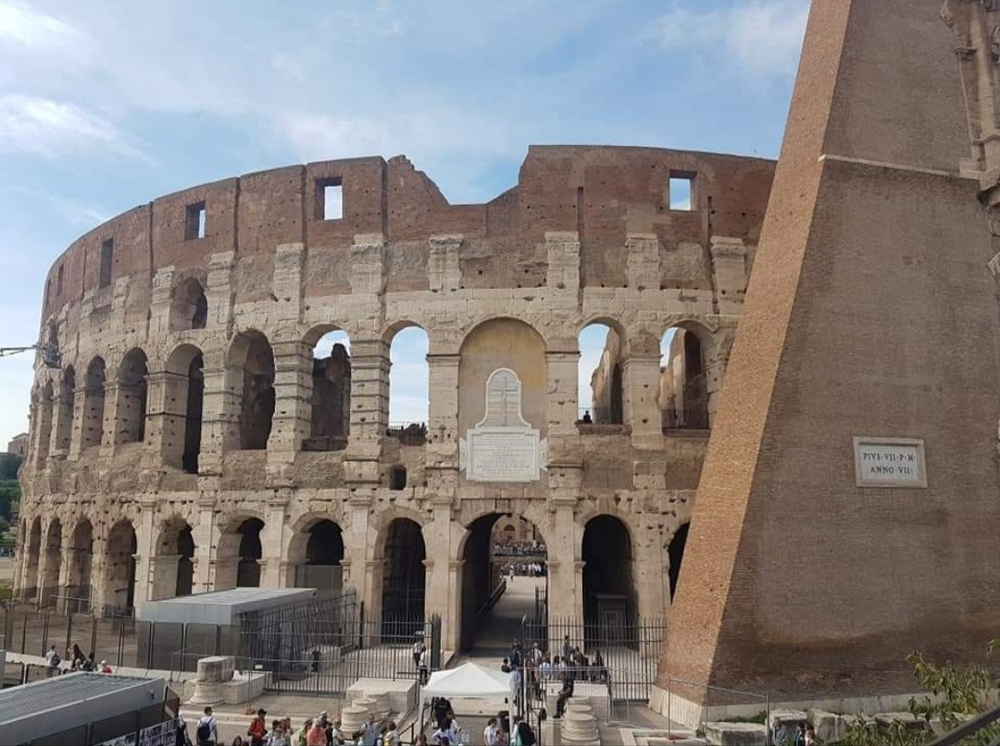
It is an iconic symbol of the Roman Empire and remains one of the most recognisable structures in the world.
You can explore the arena, underground chambers, and the surrounding archaeological area. Guided tours often include insights into the engineering techniques used in its construction and the social dynamics of the events held there.
The Colosseum’s continues to attract over a million tourists a year, making it a highlight and a must see in Rome.
2. Palatine Hill: The First Nucleus
Palatine Hill is one of the most iconic and historic sites in Rome, offering a fascinating blend of mythology, history, and breathtaking views.
It’s one of the Seven Hills of Rome and holds a central place in Roman legend. It is believed to be the birthplace of Romulus and Remus, the twin brothers who founded the city.
Over time, it became the most exclusive and luxurious part of ancient Rome, with emperors and wealthy elites building grand palaces atop its slopes.
3. Roam around the Roman Forum
It is one of the most important and fascinating archaeological sites in Rome. It was the heart of ancient Roman public life, serving as a space for political, religious, and social activities.
Today, it’s a sprawling open-air museum where you can explore the remnants of temples, basilicas, and government buildings that date back thousands of years.
The Roman Forum, Colosseum and Palatine Hill is often included in a combined ticket .The ticket is usually valid for two days, so you can take your time to explore all three sites. Luckily, you can buy tickets on-site or in advance to avoid long lines.
4. The Pantheon: Architectural Marvel of Ancient Rome
The Pantheon is one of the best-preserved ancient buildings in Rome, originally built as a temple for Roman gods and later converted into a church.
Its magnificent dome, which remains the largest unsupported concrete dome in the world, is an architectural marvel.
The Pantheon also houses the tomb of the famous artist Raphael, adding to its cultural significance.
The entry fee to the Pantheon is relatively inexpensive, and guided tours can provide deeper insights into its architectural innovations and historical context.
5. The Vatican City and its Art History
Another must-do is The Vatican City. The spiritual centre of the Catholic Church.
Home to St. Peter’s Basilica. It is one of the largest churches in the world, and also houses the Vatican Museums, which showcase an extensive collection of art, including works by Raphael and Caravaggio.
The Sistine Chapel, renowned for the stunning fresco by Michelangelo, including the Creation of Adam, is a highlight for many visitors.
Exploring the Vatican requires planning, but it can be crowded, so guided tours are recommended to fully appreciate its historical and artistic context.
6. Throwing a Coin into the Trevi Fountain
One of the most beautiful and enchanting fountains in the world. It is known for tossing a coin into the Fountain. Attracting millions of tourists each year who believe that doing so will ensure their return to the Eternal City (Rome).
First time I went, there were so many people that we had to wait to get to the fountain. So choose early mornings or late afternoons to ensure less crowds.
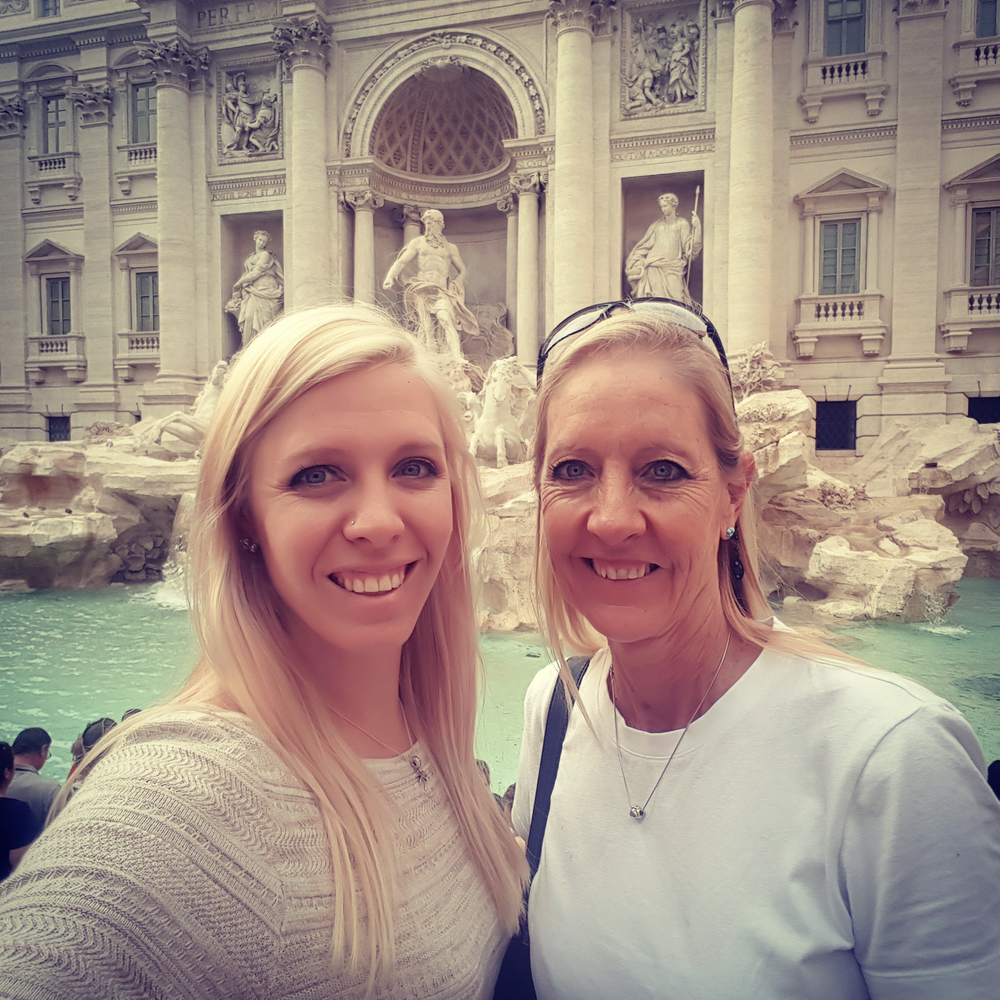
Completed in 1762 by Nicola Salvi, the fountain has a depiction of Baroque art. The fountain shows Oceanus, the statue god of all water, amidst a scene of mythological and allegorical figures, all intricately carved.
Rome has a historical connection with water from the ancient aqueducts to its role in daily Roman life. Therefore, this artistic mastery is not just for show; it’s a narrative in stone and water. What you don’t know is that the Trevi Fountain is the end of one of the ancient Roman aqueducts, the Aqua Virgo. Derived from “Tre Vie”(three roads), the fountain’s name, “Trevi”, signifies the meeting of the three roads at the fountain’s location.
Exploring The Best Lesser-Known Attractions in Rome
7. The Spanish Steps
The Spanish Steps are a grand staircase linking the Piazza di Spagna with the Trinità dei Monti church. Not to mention, its a very popular spot for people-watching, especially in spring when the steps are lined with flowers.
8. The Appian Way: A Historic Road to Explore
The Appian Way, is one of the oldest and most significant roads leading from the heart of Rome into the Italian countryside. Once a vital artery for military and trade movements, it stretches over 300 miles and is lined with remarkable ruins, ancient villas, and tombs that speak to its historical importance.
Walking or biking along the cobblestone path provides an immersive experience, allowing visitors to connect with the ancient Roman world.
9. Catacombs of Rome
The Catacombs of Rome are a network of ancient underground burial sites that provide a fascinating glimpse into early Christian history. These are located on the Appian Way.
Spread out around the outskirts of the city. These catacombs were used from the 2nd to the 5th centuries AD and were essential for Christians, as burial within the city walls was forbidden.
The catacombs are filled with narrow tunnels and chambers carved into the soft volcanic rock, where thousands of early Christians were buried, along with martyrs and popes.
10. The Borghese Gallery: Art in a Beautiful Garden
Nestled within the picturesque Villa Borghese park, the Borghese Gallery stands as a testament to Rome’s rich artistic heritage.
This premier art museum houses an exquisite works of art. Sculptures and paintings by renowned masters such as Bernini, Caravaggio, and Raphael. But reservations are required, which helps prevent overcrowding and allows for a more enriching visit.
Surrounding the gallery, the lush gardens are perfect for a leisurely stroll.
Planning Your Trip: Things to Do in Rome
Best Times to Visit Rome
The best times to visit Rome are during the spring (April to June) and fall (September to October), when the weather is mild, and tourist crowds are more manageable.
The summer months can be hot and crowded, which may detract from the experience of seeing sites like the Colosseum and the Vatican City.
What’s more, winter (December to February) offers a quieter experience, although some attractions may have reduced hours.
Regardless of the season, planning ahead and booking tickets for popular sites can enhance the overall experience of your visit to Rome.
Basic cost based on a 5 days trip
Budgeting for a 5-day Roman holiday can vary widely. For a comfortable stay combining some luxury without excess, one could expect to spend around €150-€300 per day. That includes accommodation, meals, entry fees, and occasional splurges on experiences.
Essential Tips for Tourists in Rome
When visiting Rome, you should consider several essential tips:
- First, wearing comfortable shoes is crucial. As the city is best explored on foot, there are many cobblestone streets and uneven surfaces.
- Second, purchasing skip-the-line tickets for major attractions, such as the Vatican Museums and the Sistine Chapel, can save time and reduce frustration.
- And lastly, be aware of the local customs and dress codes, particularly when visiting churches. They will not allow you entrance if you are not respectably dressed.
How to Navigate Around Rome’s Attractions
Rome’s public transportation system includes buses, trams, and the metro, making it relatively easy to navigate the city while exploring attractions like the Roman Forum and the Pantheon.
The metro has two main lines connecting key tourist areas, while buses and trams provide access to more remote attractions.
Walking is also a popular option, as many sites are located close to each other in the historic centre, including the iconic Trevi Fountain and Piazza del Popolo. Additionally, guided tours often include transportation, allowing visitors to relax and enjoy the sights without the hassle of navigating public transport.
Conclusion
Rome offers culture with a modern Italian adventure. It’s not off the beaten path but a luxury destination that should be seen and experienced. As for me, I will be back…especially for the Carbonara!